As in every branch of art, our Anatolian Folk Dances derive their reason for existence from our lived experiences. Everything that is lived eventually wants to be seen. In fact, time is not important. The Folk Dances performed in every corner of our Anatolia are the skills of expressing the joys, sorrows, victories or defeats, migrations, loves, daily lives, and countless similar experiences of our ancestors using their bodies and bringing them to today by surpassing centuries.
Just like in the Far East, we also derive our inner strength from our past experiences. Because even if the mind forgets, the body never forgets through transmitted genes, it only hides. Until one day, we dance to a melody we feel intuitively close to. Without understanding the reason, we feel enthusiasm and excitement. Our cellular memory, which comes through epigenetic transmission, is activated, and no matter how old we are, we may find ourselves integrated into our traditional dance with a flow.
From this perspective, we can integrate the era we live in with our past and, by adding our new experiences, find the power to express ourselves through our bodies in building our future. Finding expression in art is a fact that contributes first to ourselves, then to society, and to a superior version of humanity. For this reason, every individual, regardless of age group, must learn to use body language, to express emotions and experiences after the age of 0-6. Thus, they can establish a connection between the feelings of the society they were born into and the era they live in, and redefine themselves without disconnecting from their essence. The greatest gain of this is to bring inner peaceful, hopeful, and happy individuals who can express themselves into society.
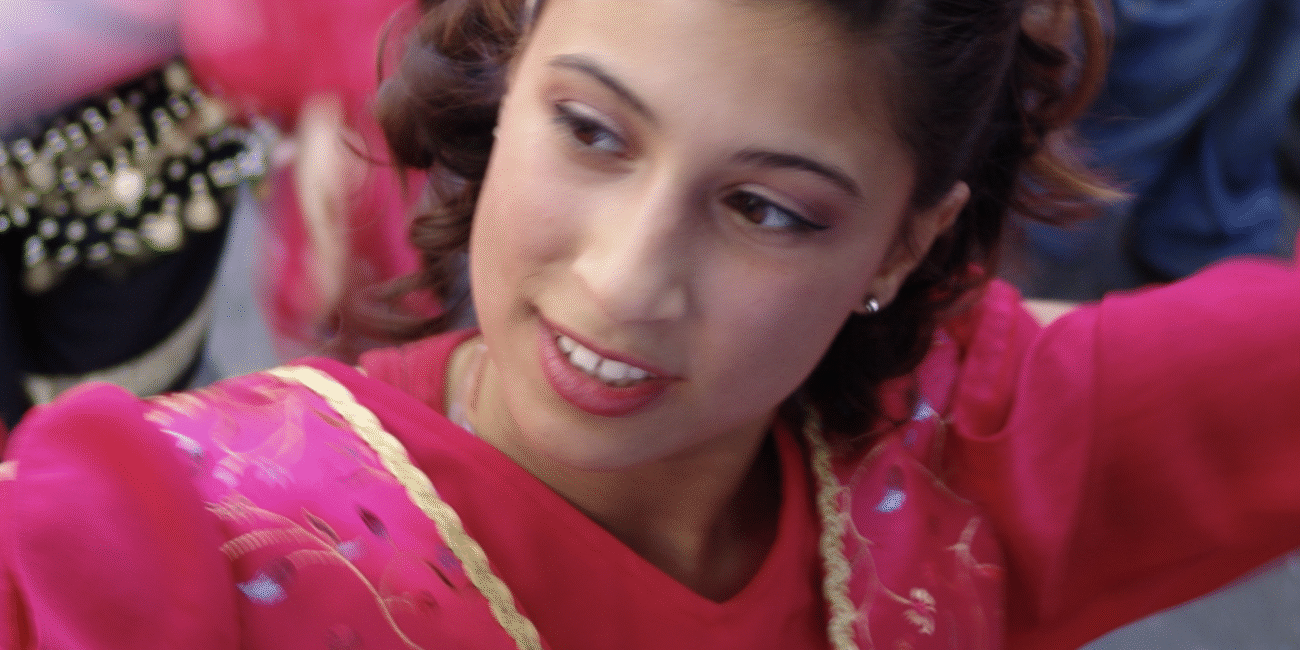
For this reason, starting from the age of 0 to 6, children should learn both to recognize and use their bodies and to express their emotions in this way. They should learn the story, region, and local attitudes of every game they play, and feel emotional kinship with their ancestors, so that they can continue their existence on earth without feeling alone, with strong bonds.
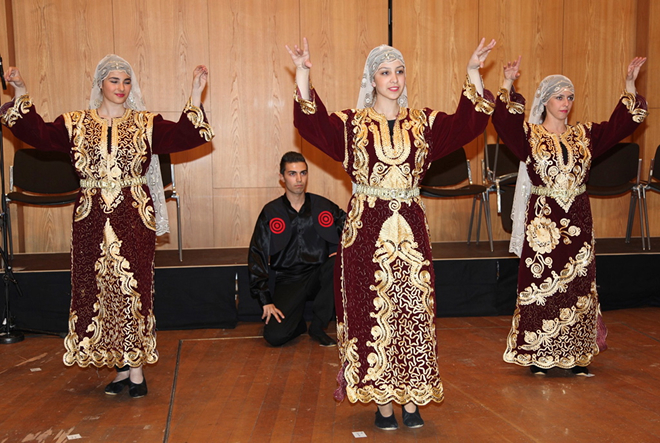
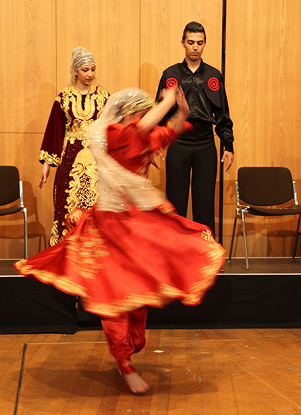
Turkish Folk Dances show various differences according to different regions. For example; Zeybek in the Aegean Bar in Eastern and Southeastern Anatolia Halay in Eastern and Southeastern Anatolia, Horon in Central and Eastern Black Sea, Kaşık in Konya and Mersin, Karşılama in Thrace. Courses are offered for every age group.